

Indonesia's Education Challenge
In Indonesia, systemic inequities trap communities in poverty, leaving children without the skills to build better lives. The education crisis deepens this challenge and schools struggle to prepare students for life beyond the classroom.

Foundational Gaps
Millions of Indonesians can’t read or write. More than 80% of Indonesian 15-year-olds struggle with basic math skills.
Badan Pusat Statistik (2024). Illiteracy Rate of Population Aged 10+ by Province and Sex. OECD. (2022). PISA 2022 results (Volume I & II): Country notes—Indonesia.

Teacher Crisis
Indonesia has a deficit of >150,000 teachers, and quality is distributed unevenly, denying millions of children a quality education.
Kementerian Pendidikan, Kebudayaan, Riset, dan Teknologi (2024). Leong, F. (2025, February 10). Low-quality teachers, rural dropouts, learning divides: Can Asia solve this education crisis?

Education To Employment Gaps
Being in school does not translate to a more empowered life. Youth unemployment is high (nearly 6M unemployed), and over 100M earn below minimum wage.
Christabel, A. (2025, June 1). UMP sekadar angka: 109 juta pekerja digaji di bawah upah minimum. Detik Finance. Badan Pusat Statistik. (2025). Angkatan kerja (AK) menurut golongan umur.
About Us


We are a non-profit organization focused in developing future leaders to transform education and create systemic change in Indonesia.
Our vision is to create a future where all children in Indonesia are equipped with the skills and mindsets needed to break the cycle of poverty and build a brighter future.
Inspired by Teach For All Network, Teach First Indonesia can leverage the learnings from 63 countries to build an evidence-backed, impactful program in Indonesia and ensure that every child receives an excellent education and can fulfill their potential.
Our Team
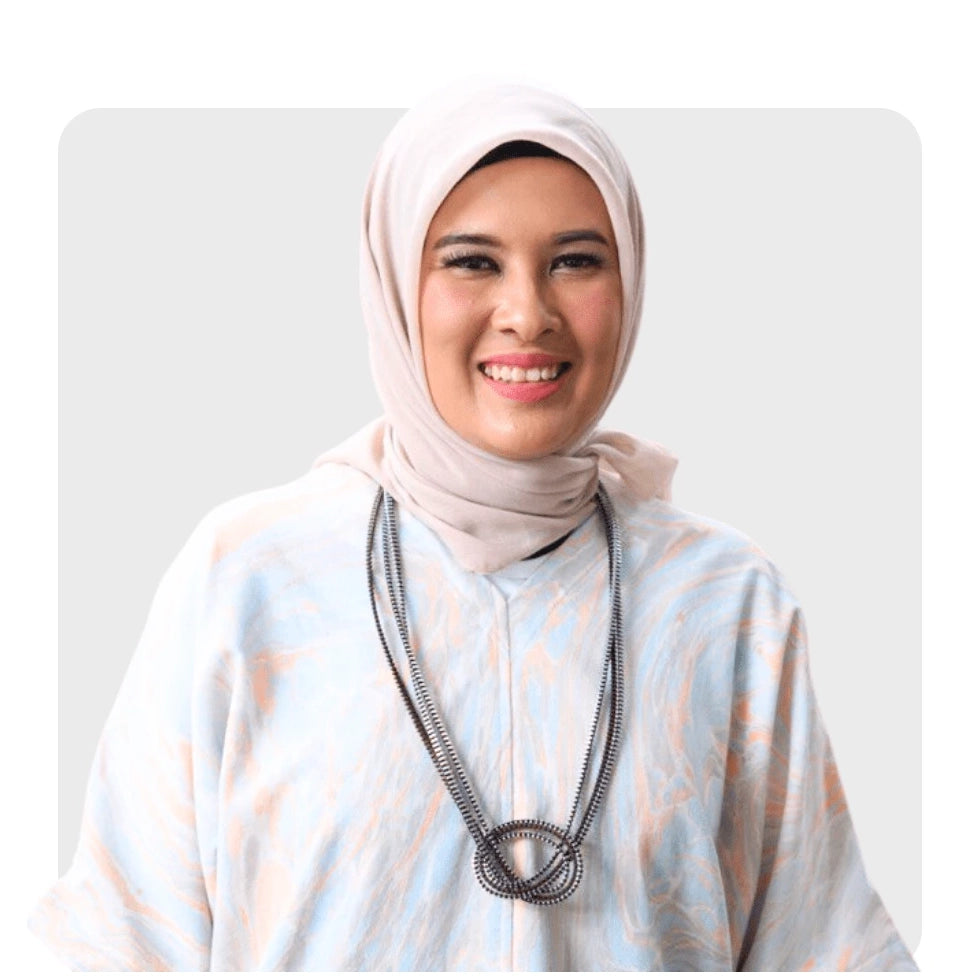
Najelaa Shihab
Founder of educational initiatives, book writer
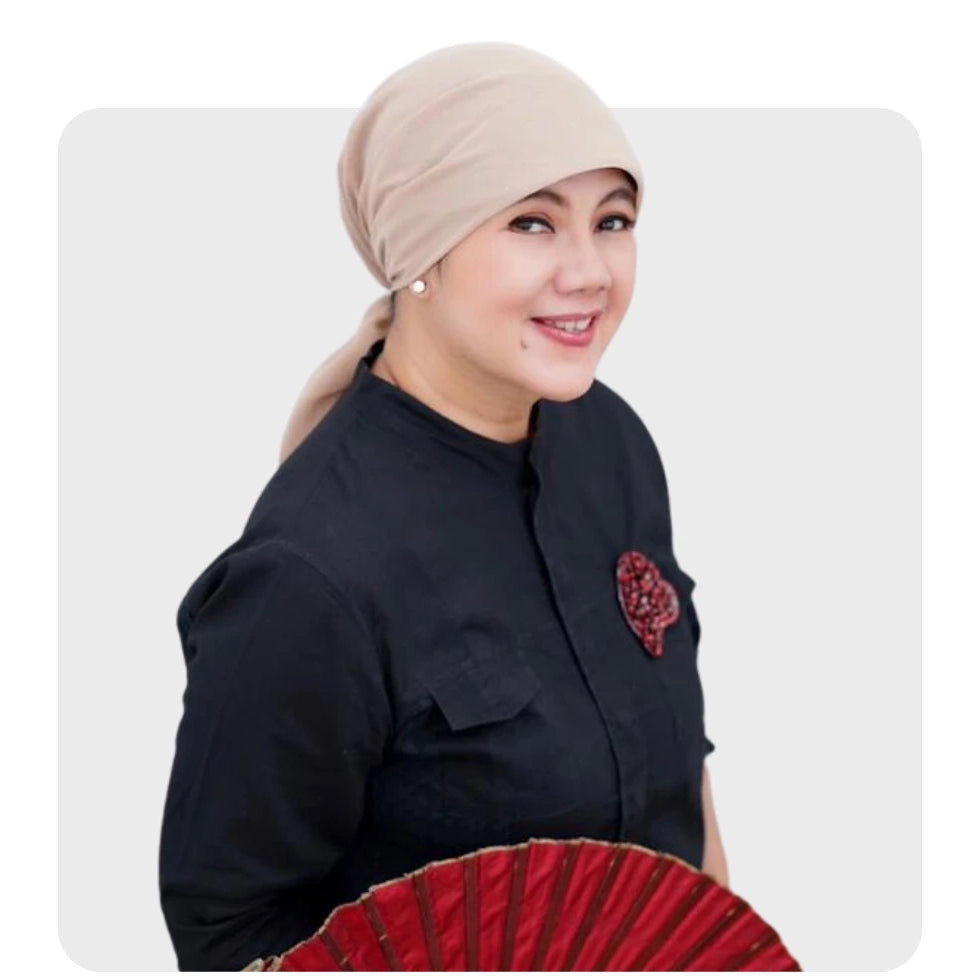
Dewi Soeharto
Lawyer, founder of educational and charity initiatives
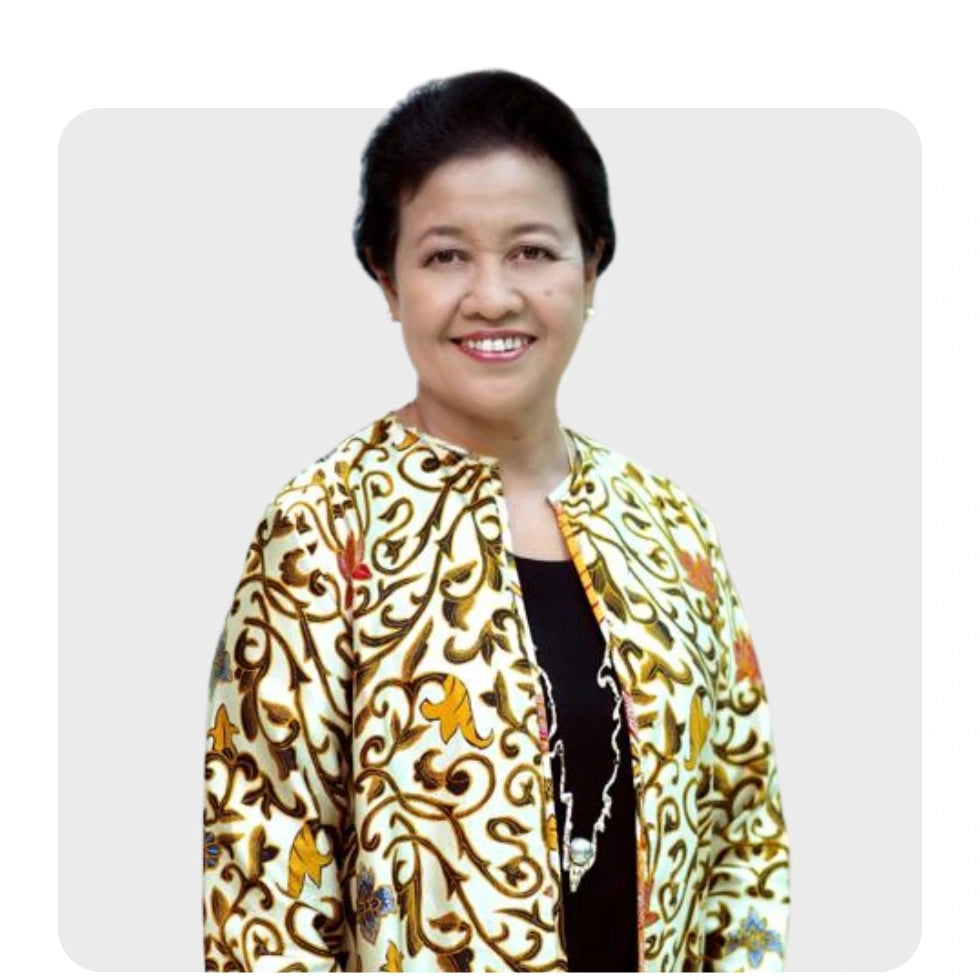
Budi Dyah Sitawati
Independent Commissioner of Maybank Indonesia
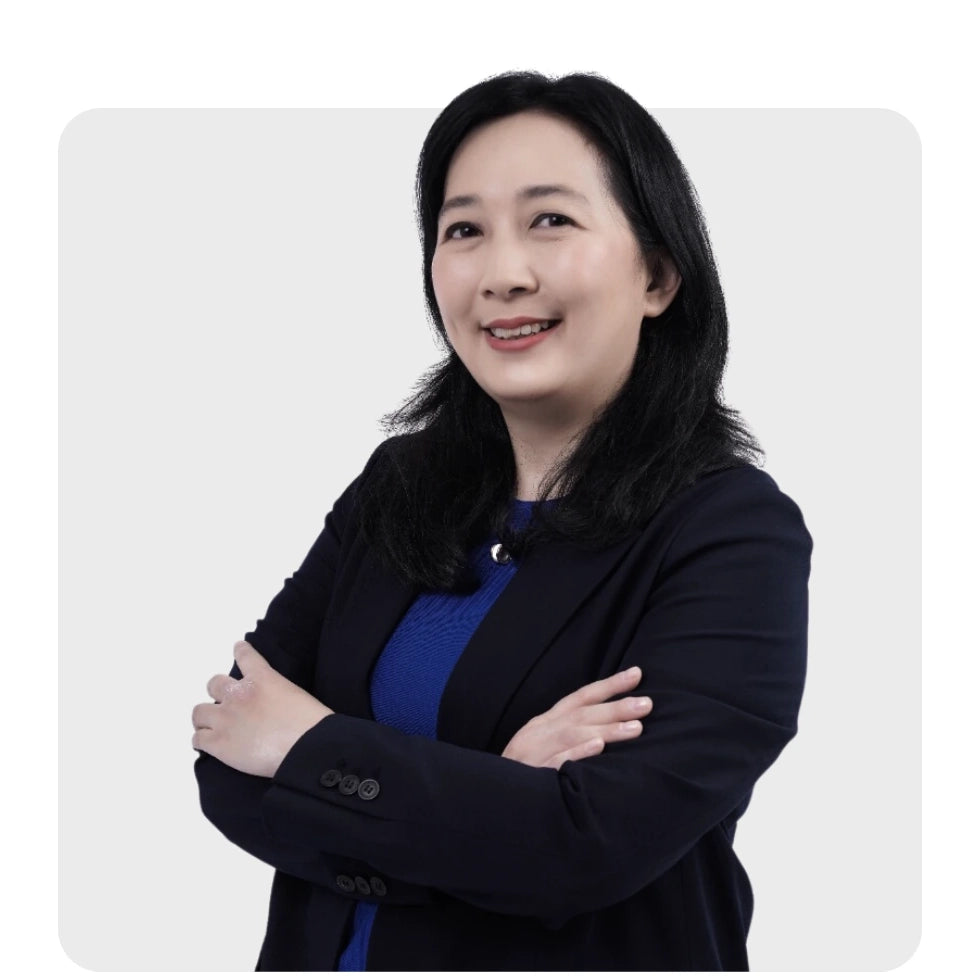
Phillia Wibowo
Leader of McKinsey, co-founder of Young Leader for Indonesia

Maudy Ayunda
Singer, Actress, Entrepreneur, Activist in Education, book-writer
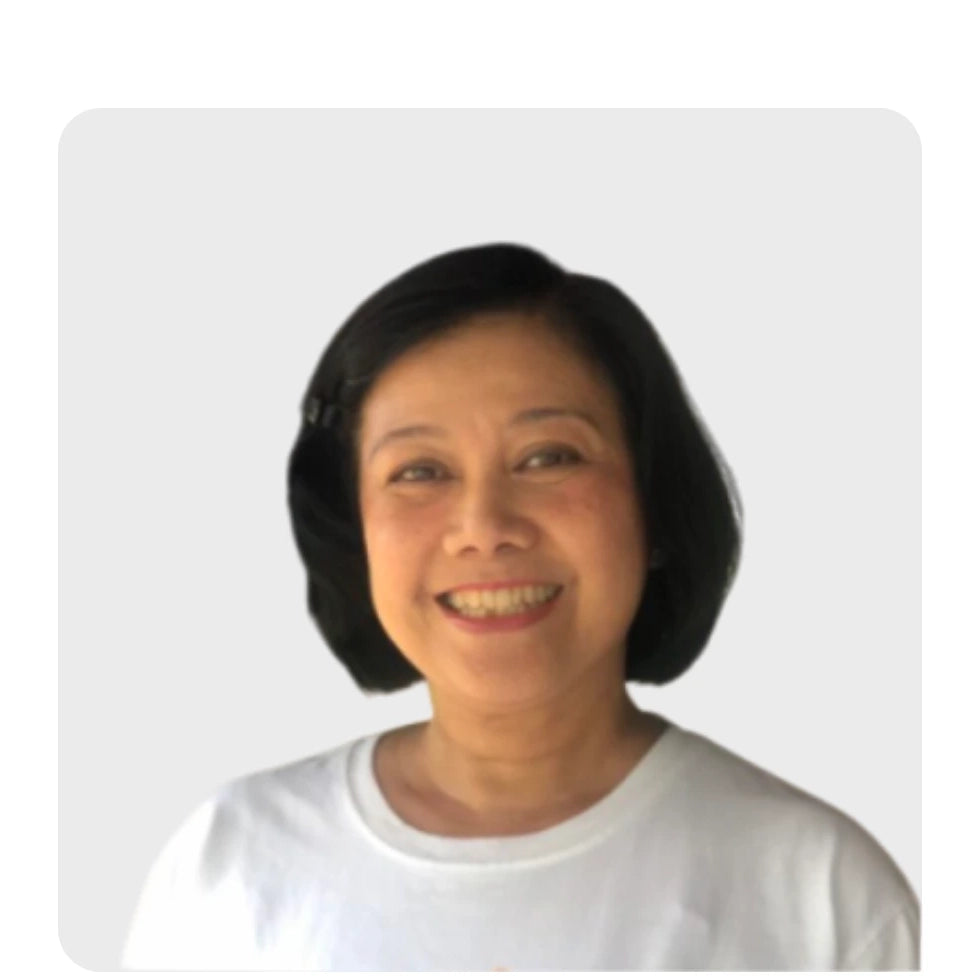
Handayani Kariko
Commissioner of Sekolah Cikal

Dzameer Dzulkifli
Cofounder Teach For Malaysia, CEO of Yayasan Tunku Abdul Rahman
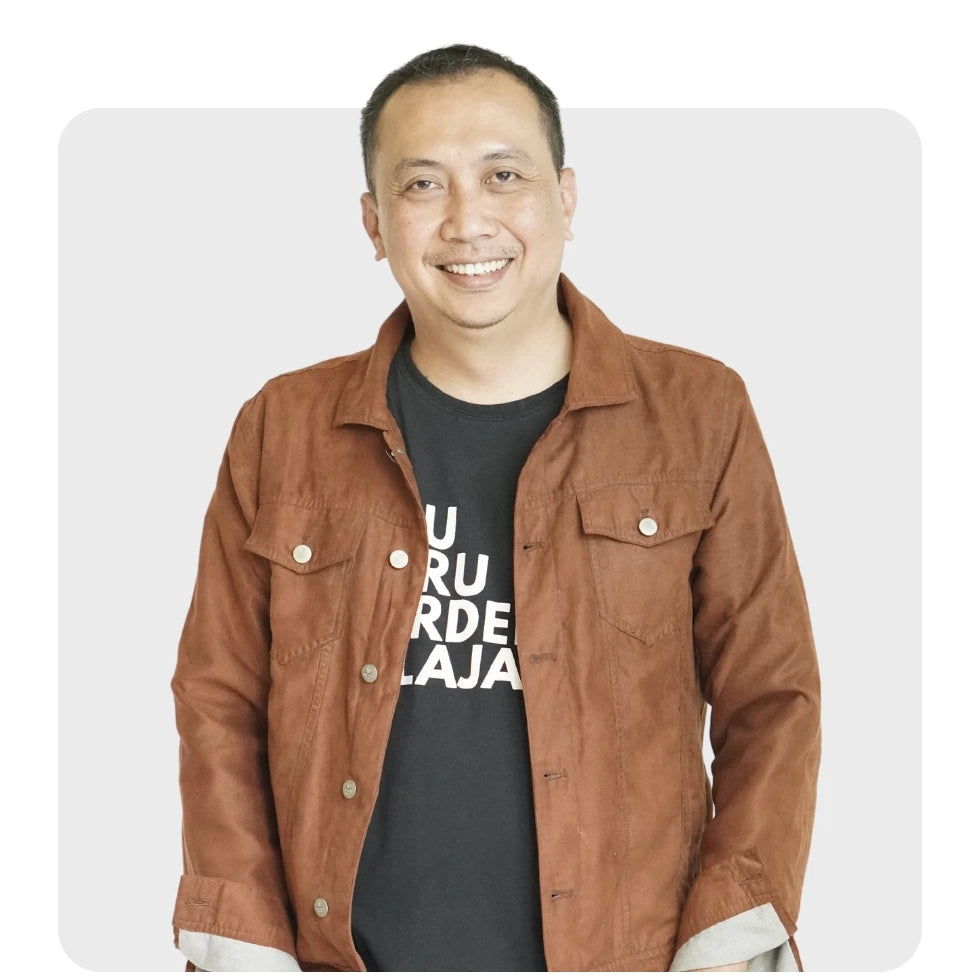
Bukik Setiawan
Chairperson of Yayasan Guru Belajar, Consultant at PSPK

Cara Riantoputra
Chief Executive Officer

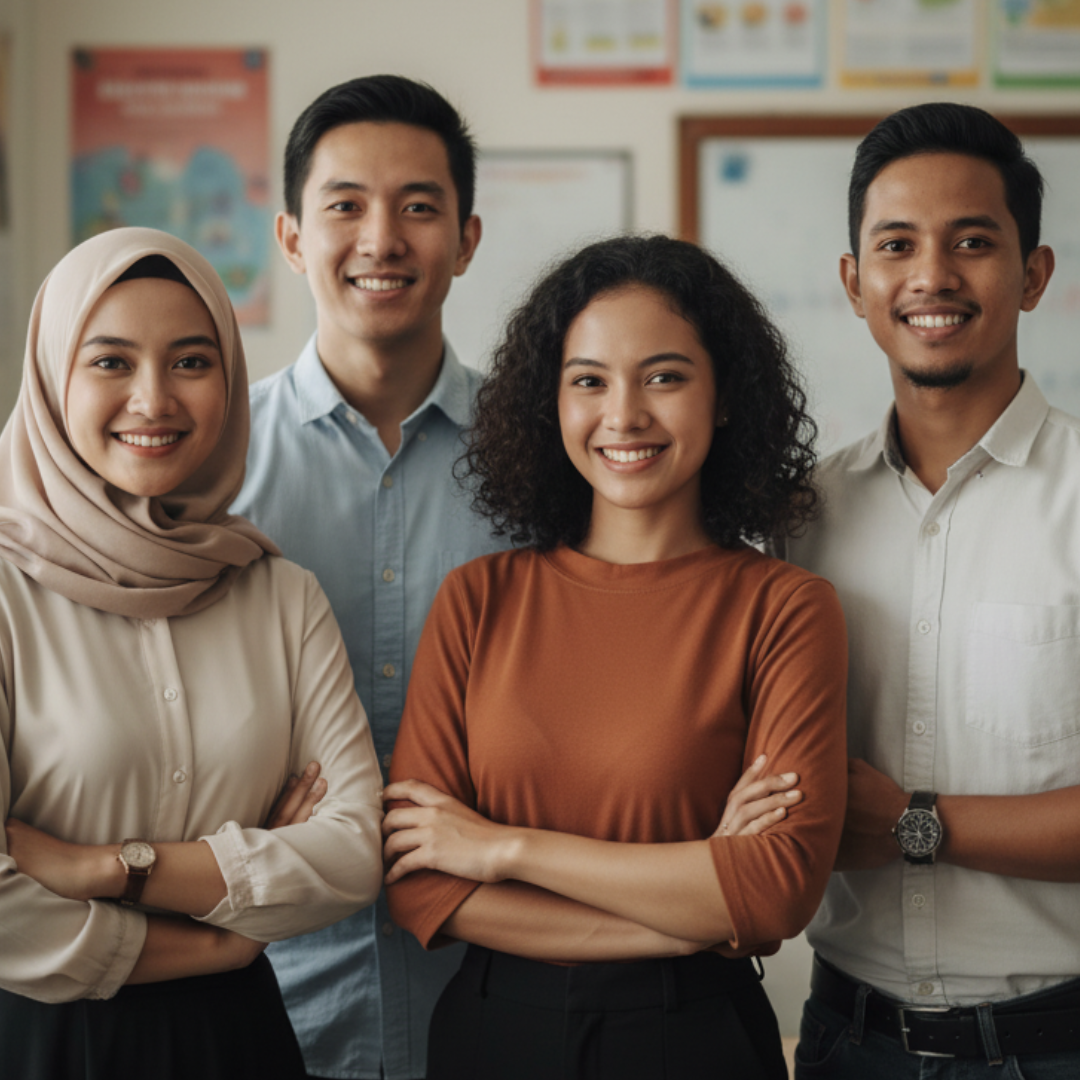
The Fellowship is built to recruit and prepare outstanding young Indonesians to teach in high-need areas for 2 years in the realities of educational inequity. For students, this means quality education that can help them to break the cycle of poverty and contribute to their communities. At the same time, Fellows embark on a powerful journey by living and working alongside the communities which contribute to their leadership development, shaping perspective with empathy and resilience as they continue career beyond classrooms.
BEFORE FELLOWSHIP
Recruit the best
Find and develop exceptional, compassionate individuals to teach in rural schools — offering world-class training and unique career growth opportunities.

DURING FELLOWSHIP
Teach, learn, lead
Fellows teach full-time for two years to strengthen students’ literacy, numeracy, life skills, and develop self-awareness—while collaborating with communities to drive change, build resilience, and compassion through service in rural schools.

AFTER FELLOWSHIP
Lifelong leadership
TFI will provide networks, mentorship, career opportunities, and support to enable Alumni to push positive change in communities, especially in placement areas.
Achieve sytemic change
Through empowered students and fellows, we’re shaping thousands of capable, compassionate leaders who are equipped to drive change in the classrooms, communities, and build a brighter future for the whole country.
Frequently Asked Questions
The word ‘Fellow’ refers to the passionate and committed individuals who we select to be part of our program. Following the 2-year commitment, our “Fellows” then become our “Alumnis”
There are two types of training: before placement (pre-service training) and throughout the fellowship (in-service training).
Pre-service training: before being placed in schools, we’ll equip you with an intensive, hybrid hands-on training to develop your leadership potential, pedagogical and classroom management skills.
In-service training: throughout the fellowship, we will be giving you both online and in-person training on various topics – including but not limited to: leadership, community engagement, advocacy, career planning, project management.
You will be teaching students in upper elementary schools – this means students who are currently in fourth, fifth or sixth grade. As a homeroom teacher, you will be teaching students a variety of subjects – all revolving around building their foundational skills and knowledge. Specific subjects depend on the schools’ policies and conditions.
Supported By




Contact
email us at hello@teachfirstindonesia.org or fill this form below